Lisa E. Scott

Vain Encounters Blog

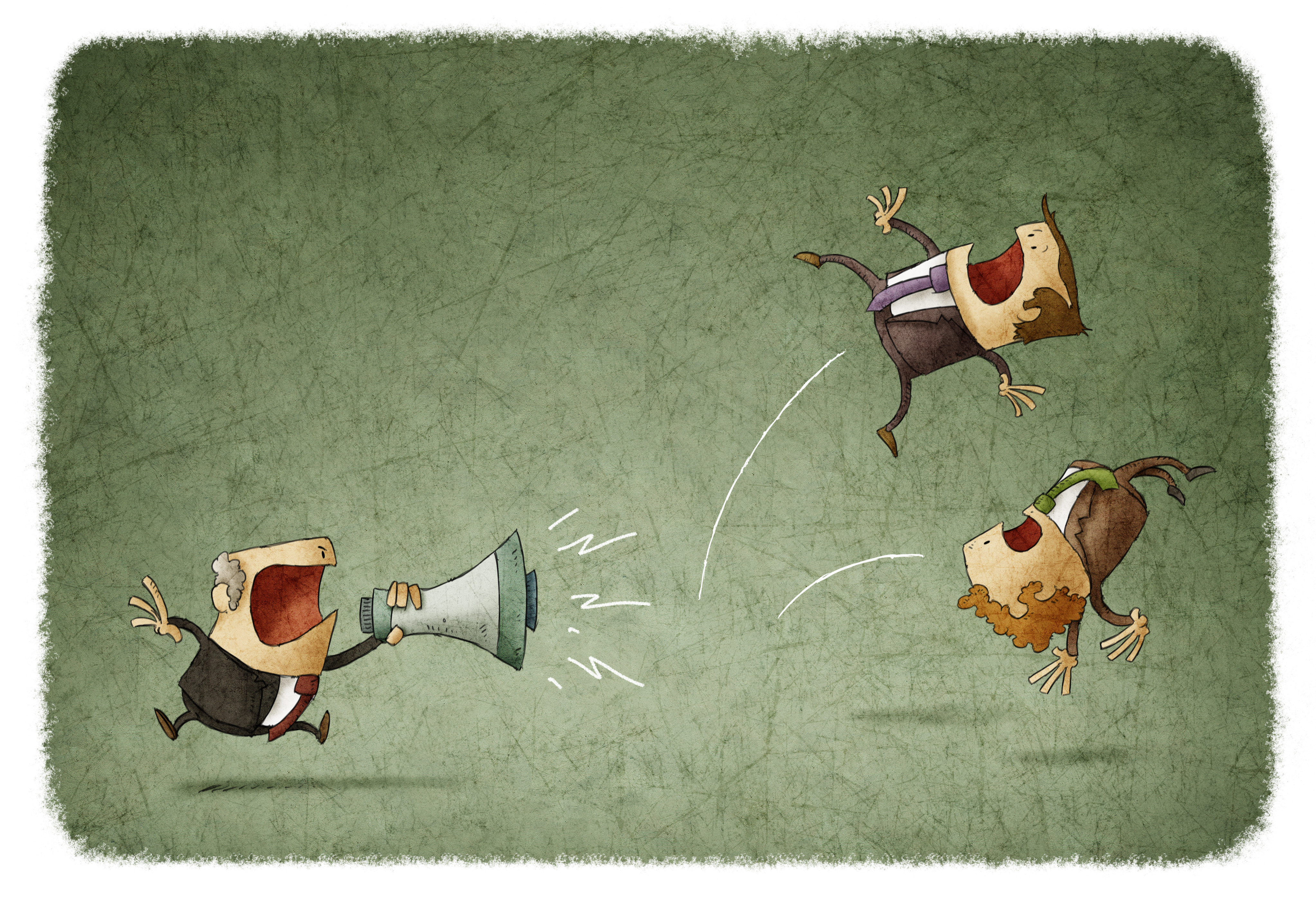
The Successful Tantrum

(while this is about the workplace, it can easily be extrapolated for abusers & narcissists, etc.)

HOW TO WIN BY LOSING IT

Initiation
Lose your temper only during an argument or immediately after receiving an offending piece of information. An apology is going to be inevitable, and those are the only two situations that can adequately set one up. Telling someone “I yelled at you because I felt insulted by [situation X]” is a step down the road to mutual understanding. Likewise, go crazy only if you’re capable of affecting the situation or personal dynamic in question.

tantrum yoga.jpg

Narcissists DO Have Empathy...

JUST NOT FOR YOU!

by Anna Valerious

If you've done much research on malignant narcissism you've seen it stated that narcissists (and psychopaths) lack empathy. This is only partially true -- not because of what it states but because of what it omits. To say they lack empathy is erroneous because most will take that to mean the narcissist lacks empathy in any capacity. They are capable of empathy, but like everything else having to do with the narcissist their empathy is perverted.

Narcissists have vast reservoirs of compassion (which is an outgrowth of empathy). Here's the problem though. All that compassion is turned inward i.e. used completely selfishly. They save their empathy for themselves. You, on the other hand, are out of luck.

Nfrog.jpg

Abusive Narcissists as Parents

A person that is narcissistic might have certain characteristics that makes life very difficult for their child. This type of parent can be very self-centered. While narcissistic parents cannot be generalized to say that all will behave the same way, there are abusive narcissistic parents.

For example, a narcissistic father might turn their child down when asked to race, since the parent believes that they alone will win the race. The father might tell the child he won’t race because he will win anyway. This parent might also be very angry should they lose the race; thus, placing blame on their child.

Mommy_by_SarahRose.png.jpg

Am I Suffering in Vain?

by Sandra Brown, MA

Suffering without insight is just pain. That's all it is. And no one (in their right mind) WANTS to be in pain. The worst aspect of the pathological relationship is that you feel ridiculous for not have seeing it earlier, OR for having seen it but not reacting to it. Either way, the result of his pathology is pain to you.

The pain of being burned, the pain of the lie, the pain of the financial con, the pain of the sexual memory, the pain of guilt, the pain of embarassment, the pain of pubic exposure... pain-pain-pain. The more you keep allowing yourself to slip back into denial about who and what he REALLY is... the more you perpetuate the pain.

sandy-trapped.jpg

Spotting Predators

excerpts from HOW TO SPOT A DANGEROUS MAN by Sandra Brown, MA:

The other type of emotionally unavailable man is unavailable due to his relationship (or relationships) with another woman (or women). These guys are never really committed to a woman. They don’t see any relationship as necessarily permanent, including marriage - even if they give lip service to being “deeply committed” to the woman they are with at the moment.

sandy-manbra.jpg

Verbal Abuse as Damaging as Physical Abuse

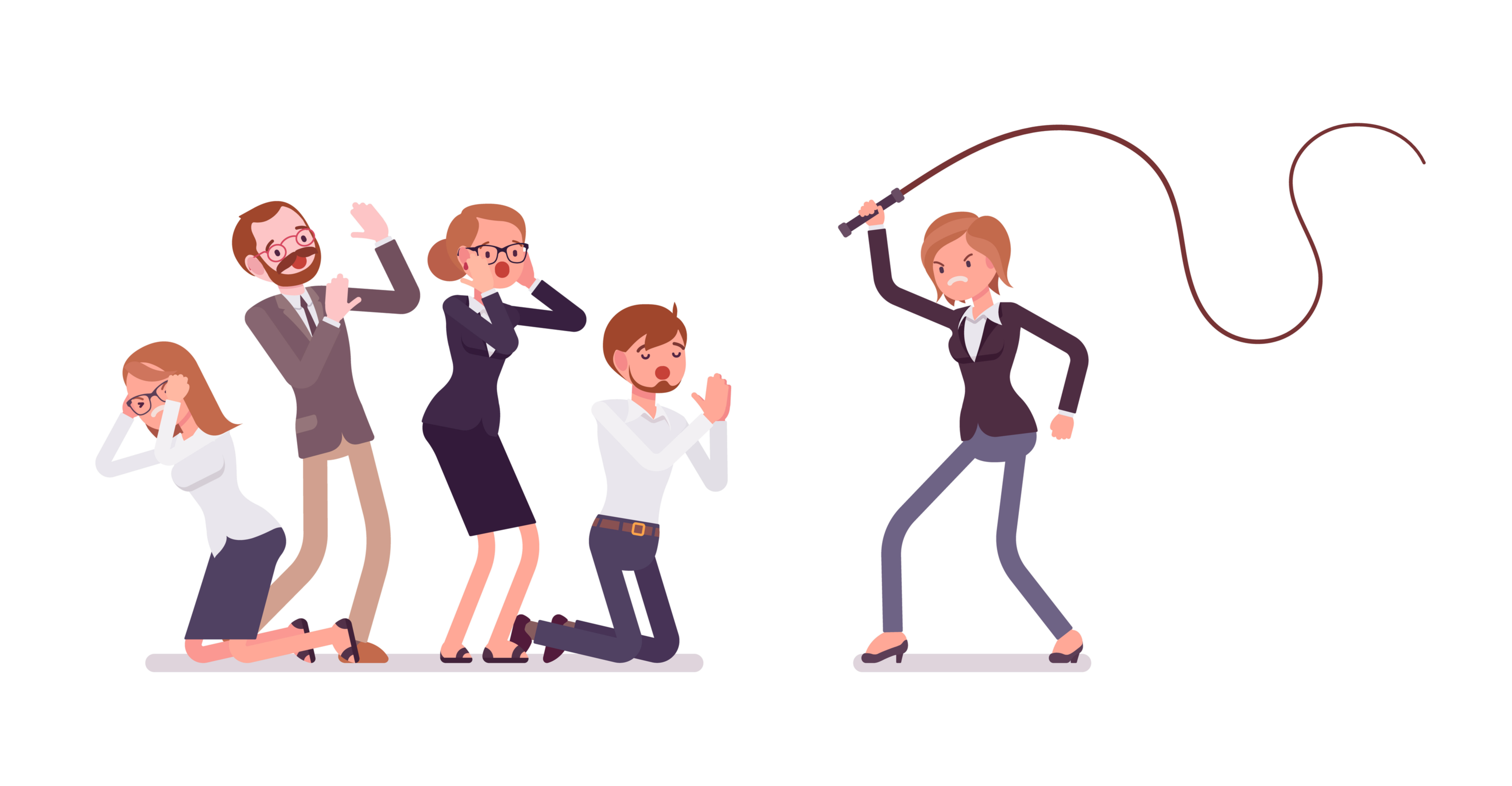
Berating typically used for controlling others
By Stefanie Scarlett

We‘ve all heard them: the couple who scream obscenities at each other in public, the overzealous parent who berates a child for failing to catch the ball during the big game.

Examples of verbal, or emotional, abuse are everywhere: Just turn on "Jerry Springer" almost any day of the week.

The Center for Nonviolence in Fort Wayne defines violence as "any words or actions that hurt and control another, cause fear or make someone feel belittled or weak and powerless," coordinator John Beams says.

It can take the form of blaming, criticizing, humiliating, name-calling, threatening or trivializing someone else as a way to gain control or exert power.

verbalabuse.jpg

When Good is Bad

by Anna Valerious

The most dangerous predators among us are ingeniously veiled. They carefully surround themselves with people entirely unlike themselves, that is, with deeply empathic human beings who wish to please others, who are slow to judge, who are excessively tolerant and who have an eye for the good to be found in others. They know how to exploit to their own advantage such character traits. It is their association with such people that maximizes their chances of perpetuating the facade and keeping themselves from exposure.
"Narcissism & the Dynamics of Evil"

clowns.jpg

6 Stages of Leaving an Abusive Relationship

(could take years or weeks - no set time frame)

1. Managing the Situation
The point at which abuse is first experienced is a crisis for the relationship,and although some women end relationships at this point, the majority do not. They find, or accept, an explanation for the incident which allows for a future. They develop strategies to manage the situation and incidents of abuse.

2. Distortion of Perspective/Reality
Gradually more and more of a woman's daily life and thought processes are affected by abuse. Managing anxiety, trying to make sense of why, takes up her energy and attention.

abuse.jpg

Detaching from the Narcissist

by Sandra Brown, MA

We've talked about 'Hate' and it's impassioned connection to relapse. Anything we feel that embroiled about we are likely to act on.

Your relapse prevention has to be more detailed than mere feelings such as using 'hatred' as a way of distancing yourself from the pathological. This usually doesn't work because hate is passionate and increases your sense of attachment to him.

Instead, let's consider emotional detachment and it's powerful abilities to change the course of your thinking and actions.

Knight_In_Shining_Armour_by_Squems.jpg

An Overview of Destructive Narcissism

by Anna Valerious

What is narcissism? Is it a simple case of being kinda self-involved? Is it just the human condition? This post will focus on the big picture of what this blog is about. Consider it orientation for people who are new to the subject and new to this blog.

My blog (link below) is about malignant narcissism which is another name for NPD (Narcissistic Personality Disorder as its called in the bible of psychiatry, the DSM-IV.) This isn't a blog about people who have a few narcissistic traits because that would mean talking about everyone on the planet. I'm not interested in throwing the whole planet into one box because it would render it a useless classification.

hisservant.jpg
Syndicate content